
Nutrition for Healthspan Initiative Trends for 2025
The pursuit of a longer, healthier life is evolving into the powerful Nutrition for Healthspan Initiative. Specifically, in 2025, this movement shifts focus from merely extending lifespan to maximizing “healthspan”—our years of full vitality. Consequently, the core principles prioritize strategic eating over basic calorie counting. This approach is fundamentally designed to enhance cellular health and delay age-related decline. Key trends defining this initiative include nutrient density and regenerative agriculture. Additionally, personalized nutrition, reducing toxins, and integrating alternative proteins are crucial components. Therefore, understanding these pillars is essential for unlocking sustained wellness.
Core Healthspan Initiative Trends: Prioritizing Nutrient Density for Longevity
The concept of “eating the rainbow” has become a scientific strategy within this new paradigm. Essentially, nutrient density measures vitamin, mineral, and phytonutrient concentration per calorie. As a result, healthspan-focused consumers now seek nutritional powerhouses over empty calories. Ultimately, the goal is to provide the body with optimal building blocks for function and repair. This means, for example, prioritizing whole, unprocessed foods like leafy greens, berries, nuts, and lean proteins. In summary, this trend represents a core principle, recognizing that longevity requires superior nutritional quality from every bite we take.Healthspan Nutrition Strategy: Leveraging Phytonutrients and Bioactive Compounds
The Nutrition for Healthspan Initiative expands its focus to include bioactive compounds. Although these are not essential for survival, they are crucial for vitality. For instance, sulforaphane in broccoli and resveratrol in berries activate longevity pathways. Moreover, they support detoxification and reduce oxidative stress. Therefore, incorporating herbs and spices is a proactive strategy aligned with these goals. In other words, this represents a shift from avoiding “bad” foods to actively seeking “hero” foods for long-term cellular health.Longevity Food Systems: The Impact of Regenerative Agriculture on Healthspan
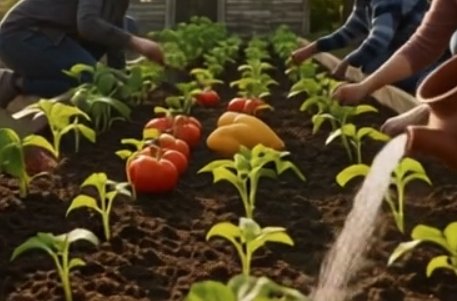
The connection between soil health and human health is fundamental to this philosophy. Importantly, regenerative agriculture actively improves ecosystems rather than just sustaining them. This method, for example, enhances soil organic matter and promotes biodiversity. Consequently, food from healthy soil has a demonstrably superior nutritional profile. Thus, this creates a direct link between farming practices and personal wellness. In practice, supporting regenerative agriculture is a key application of the Nutrition for Healthspan Initiative principles.Optimizing Nutrient Density for Healthspan: Lessons from Regenerative Farming
- Deeper Root Systems: Consequently, plants access more minerals from rich soil.
- Microbial Diversity: Similarly, this enhances vitamin and phytonutrient synthesis in plants.
- Carbon Sequestration: Furthermore, this process creates a healthier growing environment for more robust crops.